01
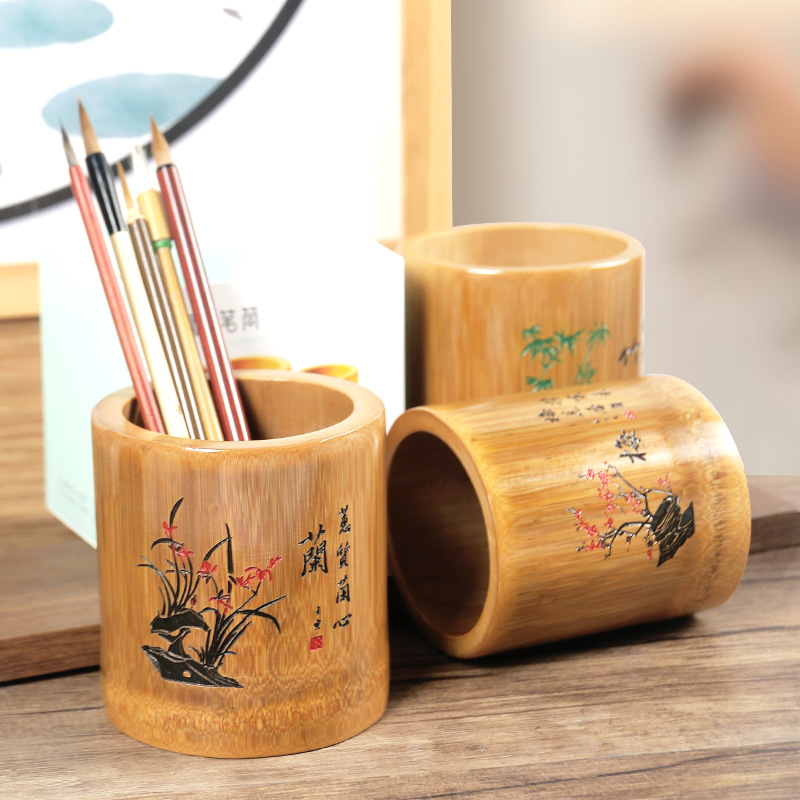
A cup keeps upright tools easy to reach
A pen cup gives writing tools a shared place without a lid or drawer to open. Check the height against your shortest tools: a short pencil can disappear into a deep cup. The outside width also leaves less space inside once the wall thickness is counted. If your tools lean to one side, ask about the base and stability rather than assuming a tall cup will stay balanced.
02
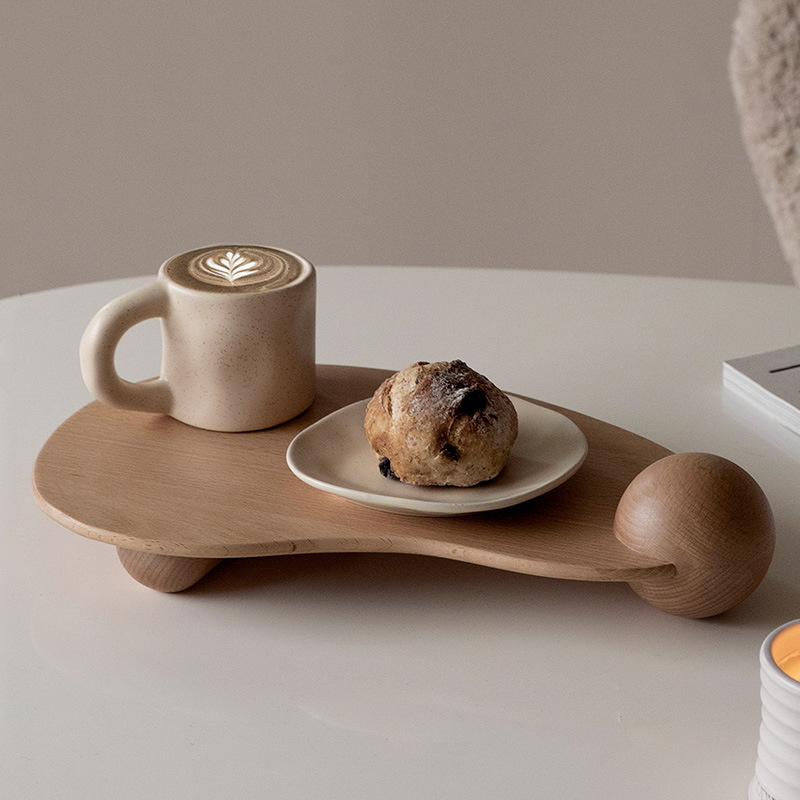
A tray gives loose items a visible boundary
A shallow tray can collect the items you put down between tasks, such as clips or keys. It needs enough clear surface for those items without stacking them into a search pile. An irregular edge may reduce useful space compared with its widest measurement. Try a paper outline and move your normal items into it before buying.
03
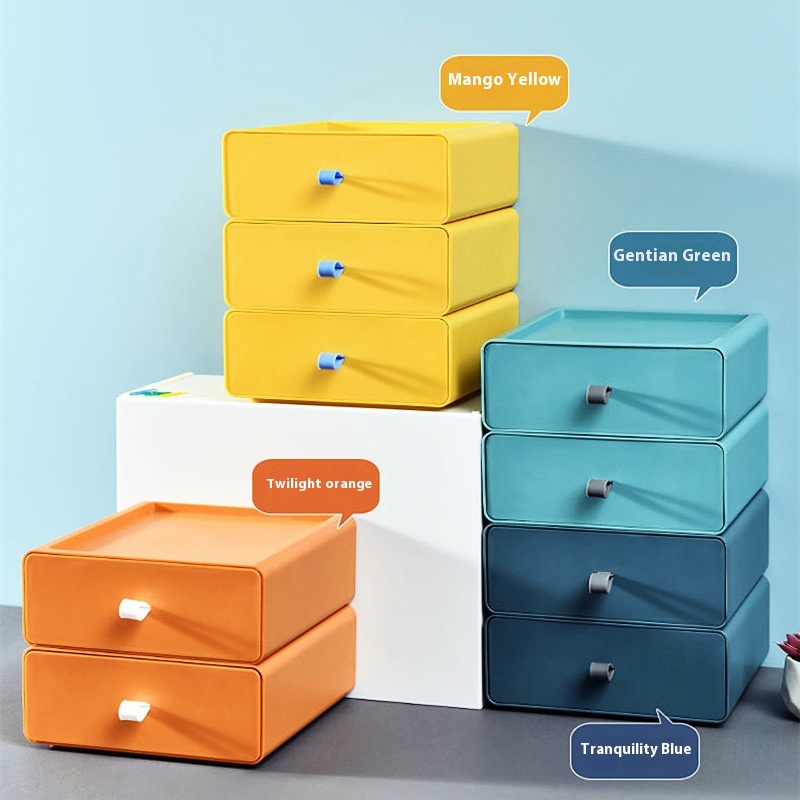
A drawer moves small items out of sight
A small drawer can separate occasional supplies from the working surface. It also needs an open path in front. Measure where the front will be when pulled out and ask for usable interior dimensions. A photograph of stacked drawers does not establish a supported stack height or load limit.
04
Compare the exact option, then decide
DeskCairn’s collection includes examples of each shape with supplier-listed details. Product photographs may contain several units or styling props; read the selected option and caption together. Availability, final delivered terms and interior measurements must be confirmed before purchase. If an existing cup or box already solves the problem, keep using it.
This guide offers general organization ideas. It is not a product test, certification or recommendation based on measured customer results.